Gerrit Nel
Frankfort / Villiers073 246 9416


Gerrit Nel
Frankfort / Villiers


MENU


Dr. André du Toit, Wheat Breeder, Pannar Seed
+27 (0) 82 550 6019
Pannar’s wheat package has made a major contribution to local wheat production. The breeding programme focuses on improving the yield potential of wheat production in South Africa, as well as the development of cultivars with new sources of tolerance to the major rust diseases.
Pannar is a “one-stop seed supplier” in the various irrigation areas. The package boasts high potential irrigation spring type cultivars divided into three growing period classes: medium late, medium and medium early. The package consists of PAN 3497, PAN 3541, PAN 3644 and PAN 3400.
PAN 3497, with its slightly longer growing period is more suitable for early plantings. PAN 3400, with a quick growing period and excellent yield potential is ideal for later plantings. PAN 3541 is a new medium growing season cultivar destined as the new flagship. PAN 3644 is a top performer in the medium to early growing period class and a good choice for planting at medium to late planting dates. The Pannar package is the obvious choice for the irrigation farmer.
Through reduced seeding rate and a few “golden rules”, each cultivar's potential can be exploited to achieve excellent yields and cut costs. At early planting dates under irrigation, Pannar's spring type wheat cultivars are recommended at a seeding rate of 65 kg per hectare to exploit the cultivars' maximum potential. Combined with a good seedbed, 150 to 170 plants per square meter should develop, at a germination percentage of 90%. The reduced plant population benefits a cultivar's stooling capacity and provides several benefits to the producer. However, seeding rates must increase with later planting dates up to 100 kg per hectare to compensate for tiller volume loss due to the shortened growing season.
The obvious advantage of a lower seeding rate is a reduction in seed costs per hectare. The second benefit is the potential increase in yield, as was found in trials over several seasons. Several factors contribute to the yield increase.
At a lower seeding rate, there is less competition in the row between plants. This enables each individual plant to reach its full stooling capacity. As a result, the stronger plants can form better and deeper roots and each “plant factory” develops a larger storage capacity that can be utilized for grain filling later in the season.
Strong plants with well-developed root systems can utilize stored moisture from the soil profile more efficiently later in the season when it is warmer and irrigation scheduling may not necessarily keep up. During each plant's stooling phase, primary, secondary and tertiary tillers are formed. If the different seed heads or ears develop at different times and do not flower at the same time, the plant receives a built-in buffer against once-off cold damage and this protects the yield. If a short cold period is experience late in the season, only some of the seed heads may be damaged and the ears that escape the cold damage, develop normally.
This contrasts with plants that are planted at a high seeding density, which produces only three to four ears that flower at the same time and if a cold spell is experienced at a late stage can suffer as much as 80% cold damage. Plants with a lower seeding density can evade cold to a large extent. The ears of plants that don’t suffer cold damaged can compensate for the loss of yield.
There is no golden recipe for wheat production, but there are some key aspects that will promote success.
Please contact your Pannar representative or regional agronomist for tailor-made cultivar, optimum planting date and seeding rate recommendations that will meet your unique needs or visit pannar.com.

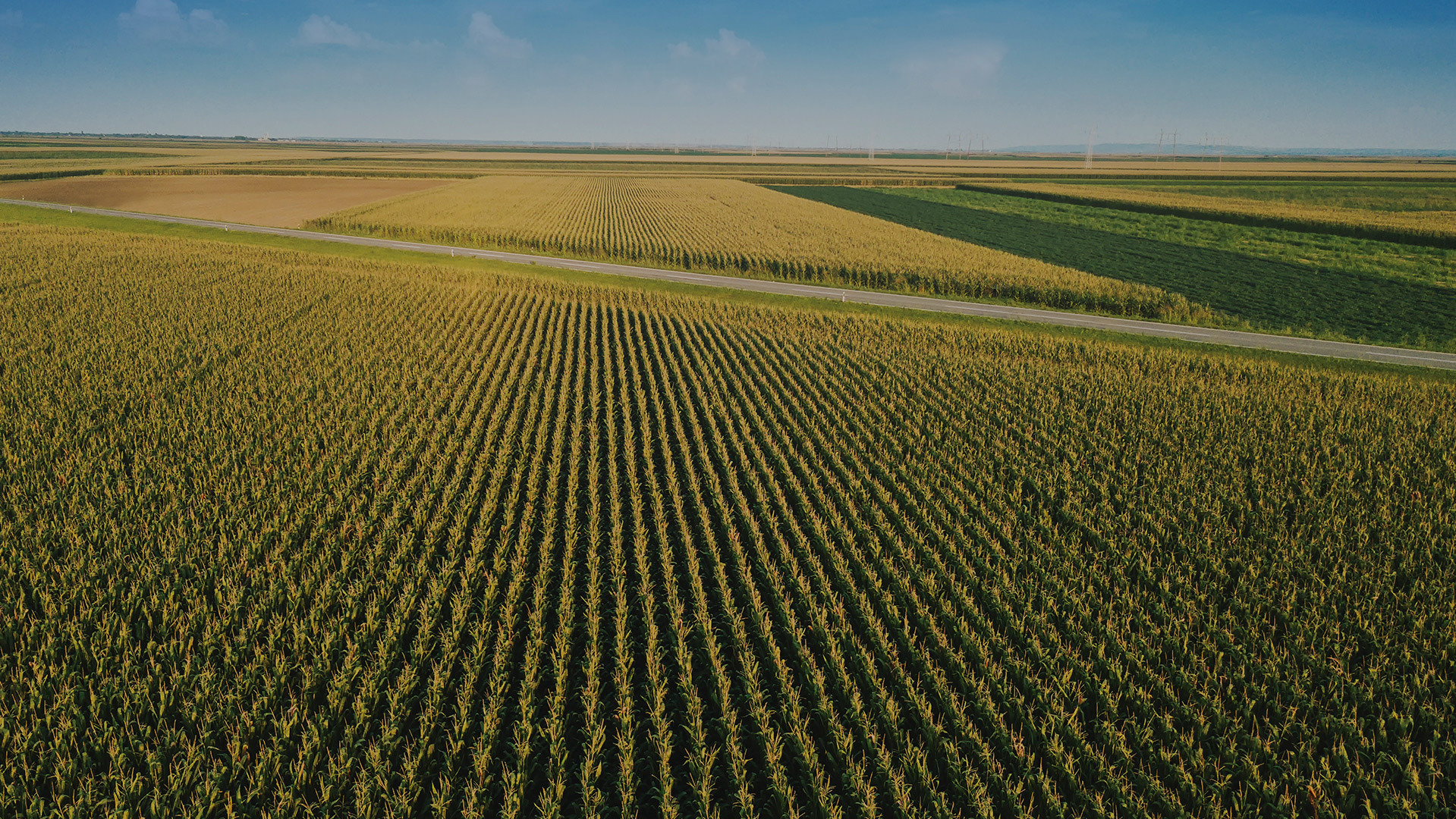
Photo: PAN 3541 planted at Vaalharts under irrigation yielding more than 10 t/ha.

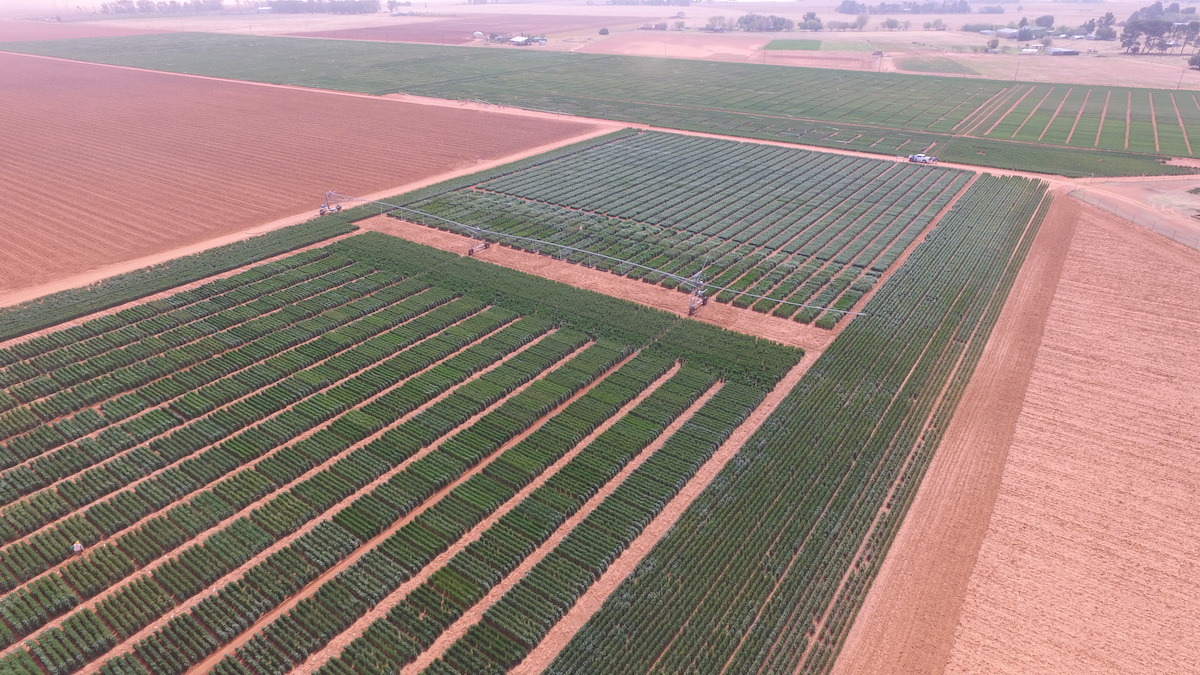
Photo: Spring type wheat cultivar evaluation trials at Bainsvlei. Pannar has been actively breeding wheat for the past 32 years.


 Farmer Stories
 News
News