Eugène Marais
North Eastern Cape083 777 7091


Eugène Marais
North Eastern Cape


MENU


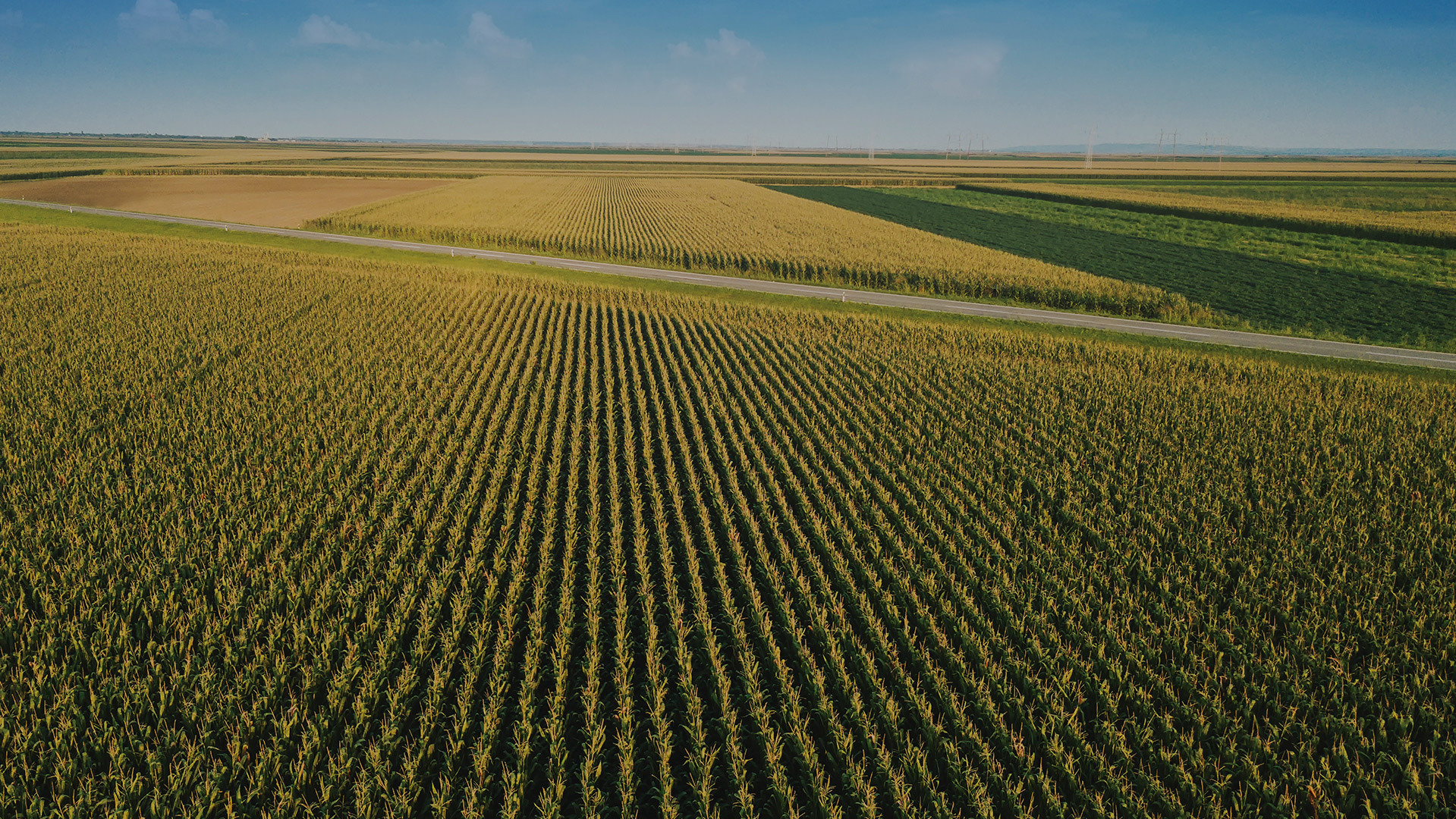
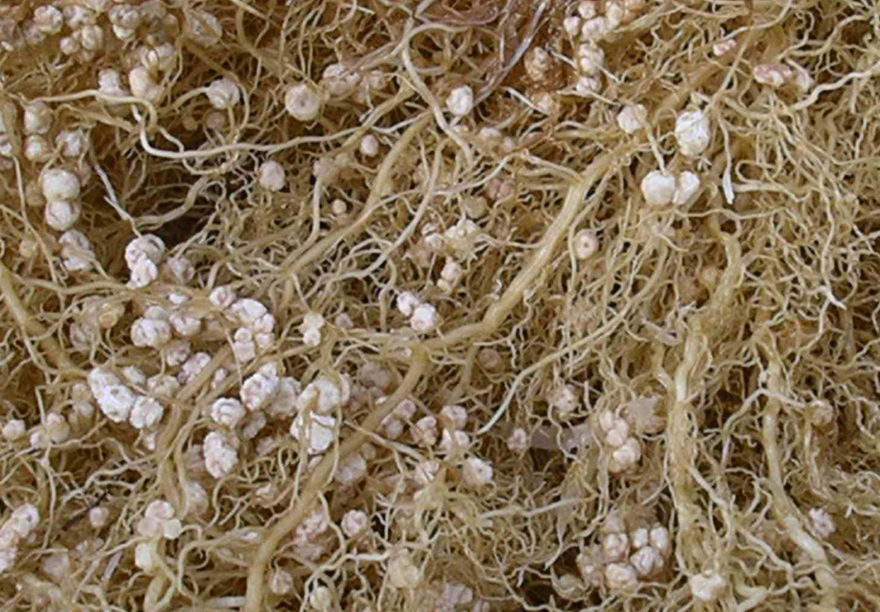
In this episode of ‘We’ve Bean Around the Block’, host Antony Jarvie discusses nitrogen fixation with Professor Mark Laing from the University of KwaZulu-Natal. The discussion is centred around nitrogen fixation in soybeans, but it broadens into a discussion that covers legumes and non-legume crops.
The fragile Bradyrhizobium japonicum used in soybean production is not indigenous to South African soils, so it needs to be inoculated at planting. The importance of out-competing other microbes and wild strains of rhizobia is discussed, as is the need to inundate the rhizosphere with the desired highly efficient N-fixing strains. The most widely used rhizobia strain (WB74) has been deployed for more than 20 years, and current soybean cultivar selection has been optimised on this strain.
With climate change, soil environment conditions are changing rapidly, and there was much debate around the requirement for strain improvement to meet these changes. There are allied microbes that we should be developing alongside the rhizobia to buffer their exposure to harsh conditions.
Professor Laing goes on to introduce the topic of nitrogen fixation by free-living microbes. The examples given included N-fixation in sugar cane, cereals such as wheat and maize and in forestry. His ground-breaking research is poised to commercialise an N-fixing Bacillus species, which could contribute towards reducing agriculture’s reliance on fertiliser nitrogen.
Listen to this exciting episode for free on your favourite podcast app or click here to listen to it in your browser: https://bit.ly/3LMtpZh.


 Farmer Stories
 News
News