Nico Schoeman
Swellendam082 826 0606


Nico Schoeman
Swellendam


MENU


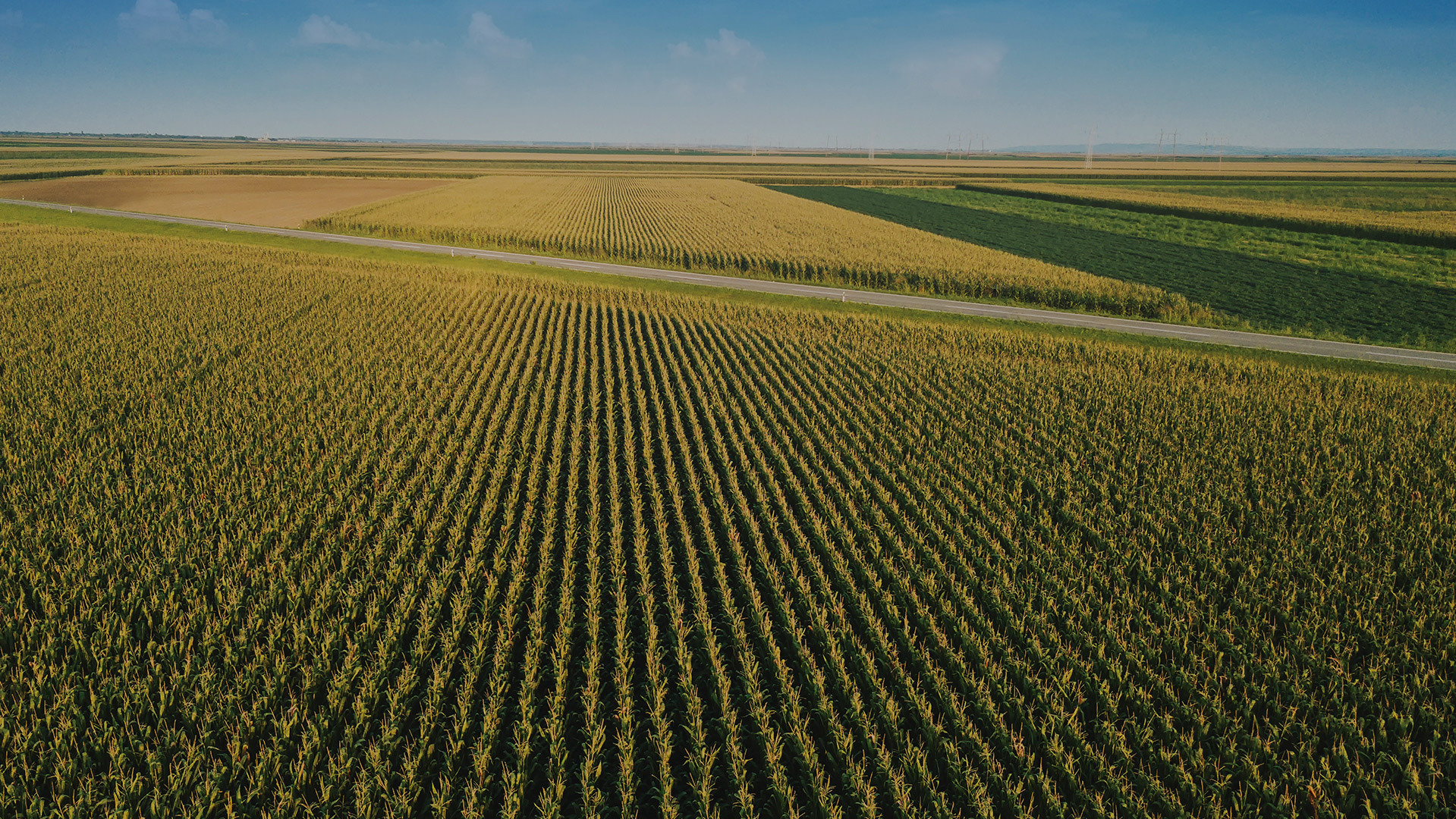
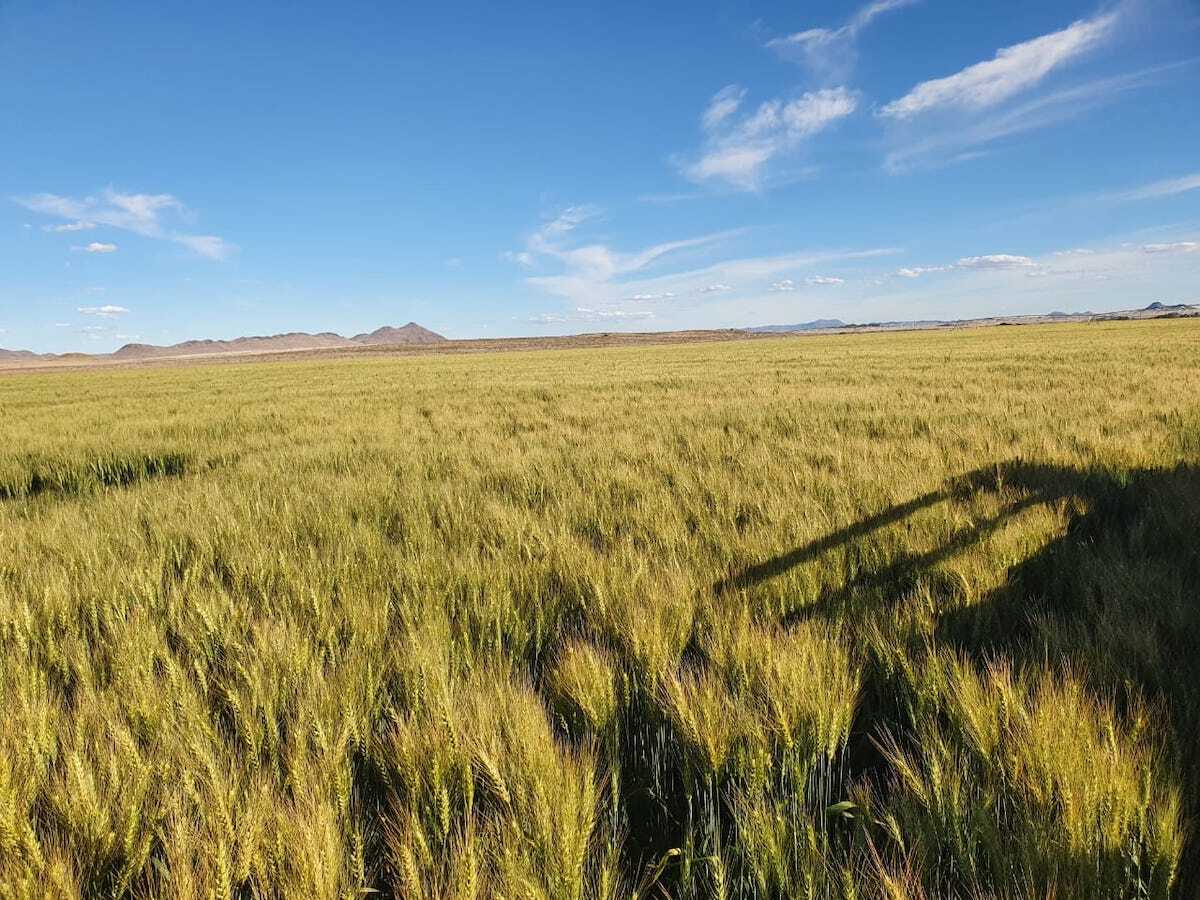
Here is Braam du Plessis from the farm Juriesbaken near Schoombee/Hofmeyr in the Eastern Cape's beautiful wheat of which he averaged 9.3 t/ha. The land on which the P3 trial was planted last year yielded over 10 t/ha this year. On another very rocky land with shallow soil, his good management ensured a yield of 9.7 t/ha.
Braam also looks intently at the GWK wheat trial results. It represents over 100 000ha. The trend that stands out is that the cultivars with a slightly longer growing season combined with earlier planting dates perform the best.
Braam has been planting trials for Pannar for several years – maize as well as wheat. He plants strip trials and Pannar P3 statistical trials.
He also tries new practices, especially at different planting densities. He believes in planting at lower planting density and did quite a few trials to find out what works for him. Furthermore, he also plants cultivars trials to determine which cultivars are most profitable. Braam plants a package of cultivars.
Braam does planting date trials and he is in favour of an early planting date. The general practice is to plant later in the Schoombee area – the practice of planting later aimed to limit the potential of cold damage at the end of the season. He plants the spring type cultivar PAN 3497 with its medium-late growing season, early. This year he planted PAN 3497 on 15 June at a plant density of approximately 40kg/ha. By planting at a lower density, the plants compensate by stooling more with the result that not all the seed heads flower at the same time. If cold damage were to occur, it would be limited, and the undamaged wheat heads would have a chance to compensate for the loss of yield.
If Pannar's spring type wheat cultivars are planted early in the recommended planting window for the area, they can be planted at a lower sowing density with good results. Usually, 60 – 80 kg seed per hectare is recommended for early planting dates under irrigation to exploit the Pannar cultivars' maximum potential. Together with a good seedbed, 120 to 180 plants per square meter should develop, at a germination percentage of 90%. The reduced plant population benefits a cultivar's stooling capacity and provides several benefits to the producer. If the planting date occurs later in the recommended planting window, 90kg of seed per hectare is recommended.
The fertiliser on the land where the trials were carried out was applied later than usual with good results. As he says, "I gave a little bit of candy at the beginning and a little bit later, I didn’t hold back at all”. It worked well.

Above: PAN 3497 – Yield 9,7 t/ha

Above: The shallow limestone land on which 9.7t / ha was achieved.


 Farmer Stories
 News
News